How to Secure a Mortgage as a Self-Employed Applicant
Understanding the Challenges of Self-Employed Mortgages
Securing a mortgage as a self-employed individual can be a bit more complex compared to traditional employees. Lenders typically view self-employed applicants as higher risk due to fluctuating incomes. However, by understanding the process and preparing adequately, you can improve your chances of getting approved.

Prepare Your Financial Documents
The first step is to ensure all your financial documents are in order. Lenders usually require at least two years of tax returns to verify your income stability. It's crucial to have a comprehensive set of documents, including:
- Personal and business tax returns
- Profit and loss statements
- Bank statements
- 1099 forms (if applicable)
Improve Your Credit Score
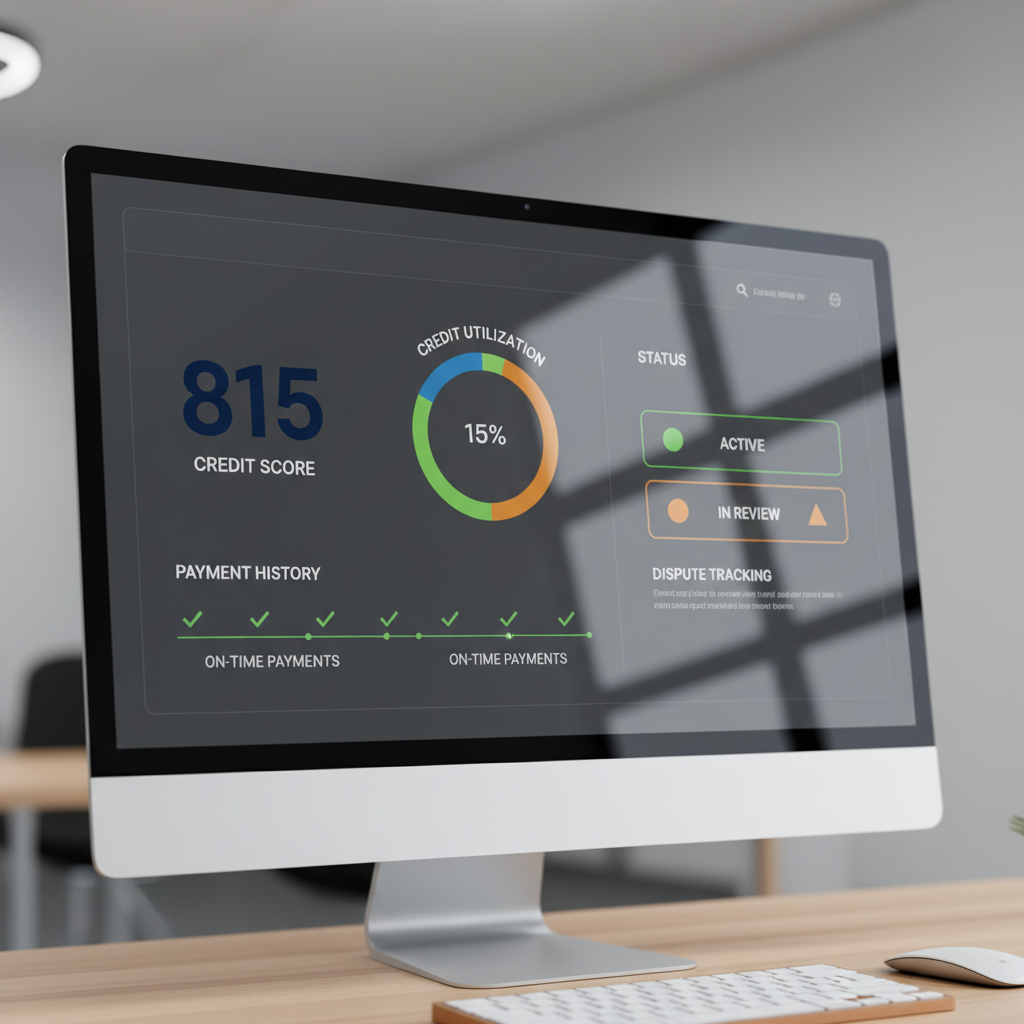
Your credit score plays a vital role in the mortgage application process. A higher credit score can improve your chances of getting approved and even help secure a better interest rate. To improve your score, pay bills on time, reduce outstanding debts, and avoid opening new credit lines before applying for a mortgage.
Demonstrate Stable Income
Lenders want assurance of your ability to repay the mortgage. Demonstrating a stable and consistent income over several years can work in your favor. If your income varies significantly, consider providing additional information or documentation to explain the fluctuations, such as contracts or letters from clients.
Consider a Larger Down Payment
Offering a larger down payment can reduce the lender's risk and increase your chances of approval. It also lowers the loan-to-value ratio, which may lead to more favorable loan terms. Aim for a down payment of at least 20% if possible.

Explore Different Lender Options
Not all lenders have the same criteria for self-employed individuals. It's wise to shop around and explore different mortgage lenders, including those who specialize in loans for self-employed applicants. Working with a mortgage broker might also help you find suitable options tailored to your needs.
Seek Professional Advice
Lastly, consider consulting with a financial advisor or mortgage professional who understands the unique challenges faced by self-employed applicants. They can provide valuable insights and help you navigate the mortgage process more effectively.
By taking these steps, you can increase your chances of successfully securing a mortgage as a self-employed individual. With the right preparation and strategy, homeownership can become a reality even in the face of self-employment challenges.